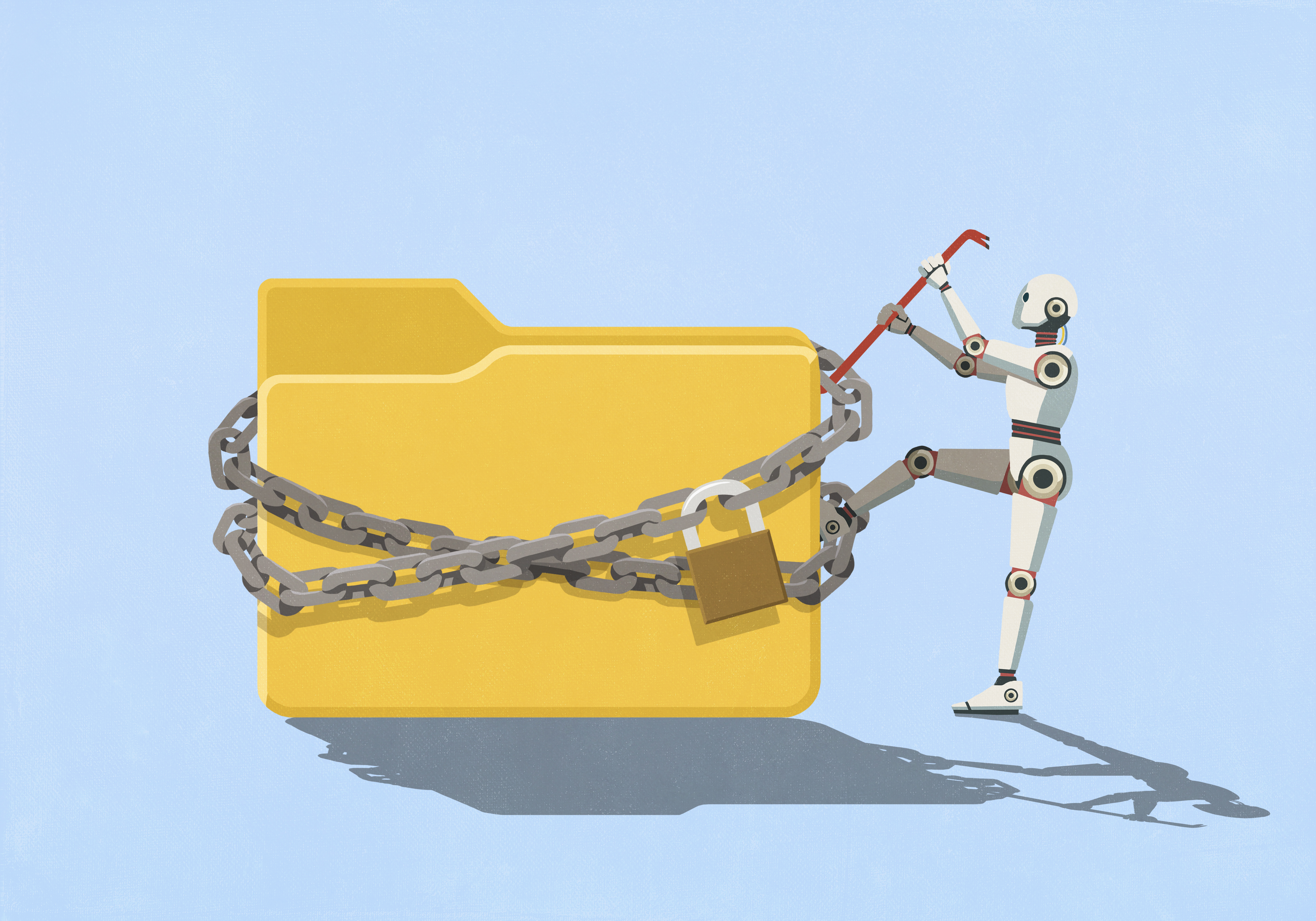
Suspected Chinese hackers used open-source artificial intelligence models to run a cyberattack against the Taiwanese government in the first publicly known case of an autonomous AI hack hitting a government target, according to research published Wednesday.
The hackers extracted more than 2,500 personnel records, among other data, in the “near-autonomous attack,” researchers at Israeli cyber firm Dream wrote in a blog post. The attackers set up the framework so that it could “adapt mid-operation without human intervention.”
The framework “implements dedicated research phases it calls ‘Learning Cycles’ — autonomous sessions where the AI system searches vulnerability databases, GitHub repositories, and security research publications for techniques specifically applicable to its target government’s infrastructure,” the post reads.
And then it kept going.
“The attacker didn’t stop at primary targets,” Dream said. “It expanded the operation to government IT supply chain vendors, a nuclear safety agency, a government email system, and 7+ energy sector companies — scanning them all in parallel for misconfigurations, exposed admin interfaces, and exploitable vulnerabilities.”
It also learned from its mistakes as it went on, Dream said in identifying what stood out about the campaign.